GPT-6 Astra vs Claude Fable 5.1: Which AI Model Wins in 2026?
GPT-6 Astra vs Claude Fable 5.1: compare pricing, benchmarks, coding power, and safety to find the right AI model for you.
Introduction
GPT-6 Astra vs Claude
Fable 5.1 is the comparison every serious developer is asking about
right now in 2026. Both models list the exact same base price on paper,
yet real costs diverge fast once you factor in caching and task design choices. OpenAI
built Astra for direct computer
use and step-by-step technical problem-solving.
Anthropic
built Fable 5.1 for steady, long-form reasoning and cheaper repeat
conversations. This guide breaks down pricing, benchmark scores, coding performance,
and safety differences
between both models, in plain, simple words. By the end, you will know exactly
which model fits your daily workflow, and how to route tasks between both
instead of picking just one.
Quick Verdict: GPT-6 Astra vs Claude Fable 5.1

Pick
GPT-6 Astra if your work needs direct computer use, or heavy technical
problem-solving. Pick Claude Fable 5.1 if you run long research work, or
need lower costs on long, repeat chats.
The Core Trade-Off
Astra
tends to use fewer tokens per finished task. Fable 5.1 charges much less to
re-read saved context. Which one costs less depends on your setup, not just the
sticker price.
Who This Guide Is For
This
guide fits developers and teams who must pick one model, or route tasks between
both. It also helps anyone who wants clear facts, not vague marketing claims.
Price and Specs at a Glance
Here
is a simple side-by-side look at both models.
|
Metric |
GPT-6
Astra |
Claude
Fable 5.1 |
|
Input
/ Output price |
$10
/ $50 per million tokens |
$10
/ $50 per million tokens |
|
Context
window |
1.05M
tokens |
1M
tokens |
|
Max
output |
128K
tokens |
128K
tokens |
|
Cached
input price |
$1.00
per million (doubles past 272K tokens) |
$0.25
per million |
|
Cost
per task (max effort) |
About
$1.67 |
Varies
by task type |
Both
charge the same base rate. The real cost gap shows up in caching. This matters
most for long, repeat chats or agent work that runs for a while.
Why Caching Changes Your Real Bill

GPT-6 Astra vs Claude Fable 5.1 looks even on paper, until you add
caching to the math. Astra's cache rate jumps once a request passes 272,000
tokens. Fable 5.1 keeps one flat, cheap cache rate, no matter how long the
session runs.
How Each Model Thinks
OpenAI
built Astra around clear, step-by-step logic. It works through a problem in
stages. It checks its own steps, and it asks a follow-up question before it
acts, when it needs to. Anthropic built Fable 5.1 around steady, ongoing
thought that runs through the whole answer. It adjusts how much it
"thinks" based on how hard the question is. It stays steady across
long, detailed replies.
What This Means in Daily Use
Astra
tends to do well on hard, clear technical steps. Fable 5.1 tends to do well on
broad, open questions, where the right path is not clear from the start.
Benchmark Results
Astra
leads on strict, technical tests. It scores about 97.6% on FrontierMath Tier 4.
It also scores 96.0% on GPQA Diamond. Both are tough science and math tests. Fable
5.1 leads on broad, mixed-topic thinking. It reaches about 65.0% on Humanity's
Last Exam. This test checks wide general knowledge across many fields at once,
not just one narrow skill.
Reading Benchmark Scores the Right Way
No
single test tells the full story. Each one favors a different kind of task.
Treat these scores as a rough guide, not a final answer. Test both models on
your own real work before you decide.
Coding and Agent Work
Both
models work well as coding agents, but in different ways. Astra, run inside
OpenAI's Codex tool, tends to write tight, token-light code with fewer wasted
steps. Fable 5.1, run inside Claude Code, handles broad, messy, real repo fixes
well. Anthropic reports strong scores on coding tests, plus real gains on long,
multi-file cleanups.
Computer Use and Terminal Work
Both
models can run shell commands, read logs, and fix missing tools inside a safe,
sandboxed setup. Both can also work a screen directly, clicking and filling
forms, with no custom plugin needed.
Which One Fits Your Coding Style
Pick
Astra when you want lean, efficient code and fewer retries on hard logic. Pick
Fable 5.1 when your task spans many files, and needs steady judgment across a
full, messy codebase.
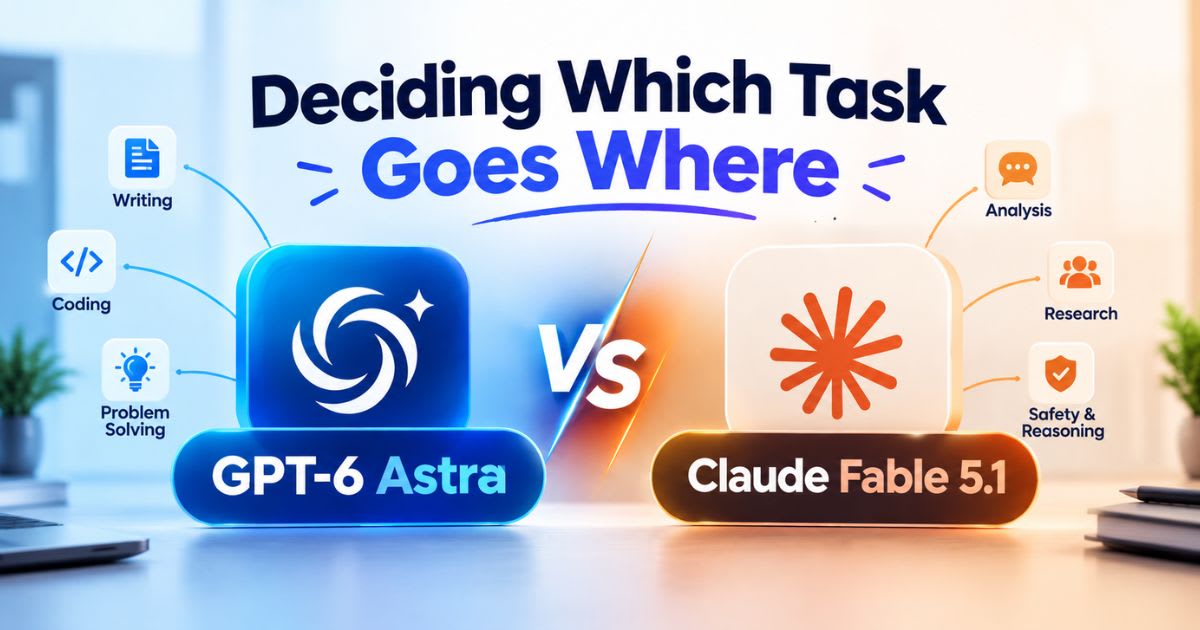
Deciding Which Task Goes Where
Many
teams do not pick just one model. Instead, they send each task to whichever
model fits best. Here is the simple split most teams use:
● Desktop
tasks, math, or cyber research: send to GPT-6 Astra
● Long
research, or heavy caching work: send to Claude Fable 5.1
This
split lets you use each model's real strength, instead of forcing one tool to
do every job on its own.
Safety and Cybersecurity
GPT-6
Astra is the first model to cross OpenAI's "Critical" line for cyber
risk. It can find and use unknown flaws largely on its own. Because of this, OpenAI
limits full access to checked teams through its Daybreak program. Both firms
also work with outside safety groups. Groups like the UK AI Safety Institute
check these models on their own. This adds a real, outside check beyond each
firm's own tests.
Keeping Autonomous Agents in Check
Both models follow rules built to stop unsafe steps, like deleting real files by mistake. Ongoing checks are meant to catch and stop risky moves before they cause real harm.
Speed and Response Time
Astra
lets you set a thinking level before you ask. Lower settings answer fast, which
suits simple, routine work. Higher settings take longer, but raise accuracy on
hard problems. Fable 5.1 runs steady thought through most answers. This can
slow its very first word slightly. Once it starts, it tends to stream the rest
of its answer at a steady, even pace.
Data Handling and Privacy Rules
Data
rules differ between the two firms, and these details matter most for regulated
work. Check each provider's current terms directly, since rules can shift and
often vary by plan type. Always confirm data and privacy terms on each
provider's own page before you send sensitive data to either model.
Why This Matters for Regulated Teams
Firms
in health, finance, or law often face strict rules on where data goes. A quick
check of the current terms can save a real compliance headache later on.
Getting Started With Both Models
Both
models work through normal developer tools, including direct APIs and major
cloud platforms. You call each one by its own model name, and set a thinking
level based on the task. A common setup sends simple asks to a cheaper, faster
model. It saves Astra or Fable 5.1 for the harder reasoning work. This keeps
routine costs low, while still getting strong results where it counts.
A Simple Way to Test Both
Before
you commit to one model, run the same real task, like a code fix or a research
summary, through both. Compare the output quality against the real cost, not
just the benchmark scores alone.
Real-World Use Case Examples
Seeing
how each model fits a real task helps more than specs alone. GPT-6 Astra vs
Claude Fable 5.1 plays out differently across common scenarios, so here are
a few examples.
●Automating
a multi-step desktop workflow, like filling forms across several apps: GPT-6
Astra
●Summarizing
a long internal knowledge base across many repeat sessions: Claude Fable 5.1
● Solving a
hard, well-defined math or logic proof: GPT-6 Astra
● Reviewing a
large, messy legacy codebase across many files: Claude Fable 5.1
●Running a
defensive cybersecurity scan under proper vetted access: GPT-6 Astra
Matching the Model to Your Team's Daily Work
Look
at your team's most common task type first, not the flashiest benchmark score.
A team that mostly writes and refactors code all day gets more value from
steady, careful reasoning. A team automating repetitive screen-based work gets
more from direct computer control.
Migration and Switching Costs
Moving
between these two models is not instant, even though both use a similar API
style. If you plan to compare GPT-6 Astra vs Claude Fable 5.1 in
production, prompts tuned for one model's style may need real rework to perform
as well on the other. Budget time to re-test your existing prompts and
workflows before a full switch. A short side-by-side trial period, running both
models on the same real tasks, catches most issues before they reach
production.
How Enterprises Are Approaching This Choice
Larger
teams rarely make an all-or-nothing pick between these two models. Most build a
small routing layer that sends each incoming request to whichever model handles
it best, based on task type and budget. This adds a bit of setup work up front.
In return, it avoids the common trap of forcing one model to handle every job,
which usually means overpaying for simple tasks or underperforming on hard
ones.
Budgeting for Both Models
If
you plan to use both, track spend separately by task type from day one. This
makes it far easier to spot which workflows are actually saving money, and
which ones might do better on the other model instead. Review this split every
month or two, not just once at setup. Model pricing and performance both shift
often in this space, so a routing choice that made sense last quarter may need
a second look today.
Final Thoughts
GPT-6 Astra vs Claude Fable 5.1 is not a simple win for either
side. Astra leads on direct computer use and hard technical problems. Fable 5.1
leads on broad thinking and cheaper long chats. Test both on your own real
tasks before you decide. Benchmark scores offer a starting point, but your
actual daily work is what shows the real gap in cost and quality.
*Sources: OpenAI and Anthropic official
pricing and model pages, Artificial Analysis, and OpenRouter model listings.
Prices and benchmark scores change often, so confirm current details before you
build on either model.*
Frequently asked questions
Is Astra really better than Fable 5.1?+
Neither is better overall. Astra leads on computer use, math, and cybersecurity tasks. Fable 5.1 leads on broad reasoning and cheaper long conversations, so the better pick depends on your specific task.
Which AI model should I pick between GPT-6 Astra and Fable 5.1?+
Pick Astra for hands-on technical work, like coding or screen automation. Pick Fable 5.1 for long research or repeat conversations where caching costs matter. Many teams use both, routed by task type.
Is GPT-6 Astra AGI?+
OpenAI has not confirmed this as true AGI. Company leadership called it a major leap forward and left open whether it qualifies, but did not make a firm AGI claim.
How to get GPT-6 Astra?+
It rolled out to ChatGPT Plus, Pro, Business, and Enterprise users, plus the OpenAI API and cloud platforms like AWS. Access may take a few extra days depending on your plan.
What is GPT Astra?+
"GPT Astra" usually refers to GPT-6 Astra, OpenAI's newest flagship model released in September 2026, known for deep reasoning, computer use, and strong coding performance.
Related articles
 Comparisons
"Best AI SEO Tools in 2026: 10 Tools Compared & Evaluated
Compare the 10 best AI SEO tools in 2026 — Semrush, Ahrefs, Surfer, and more. See pricing, features, and AEO visibility.
 Comparisons
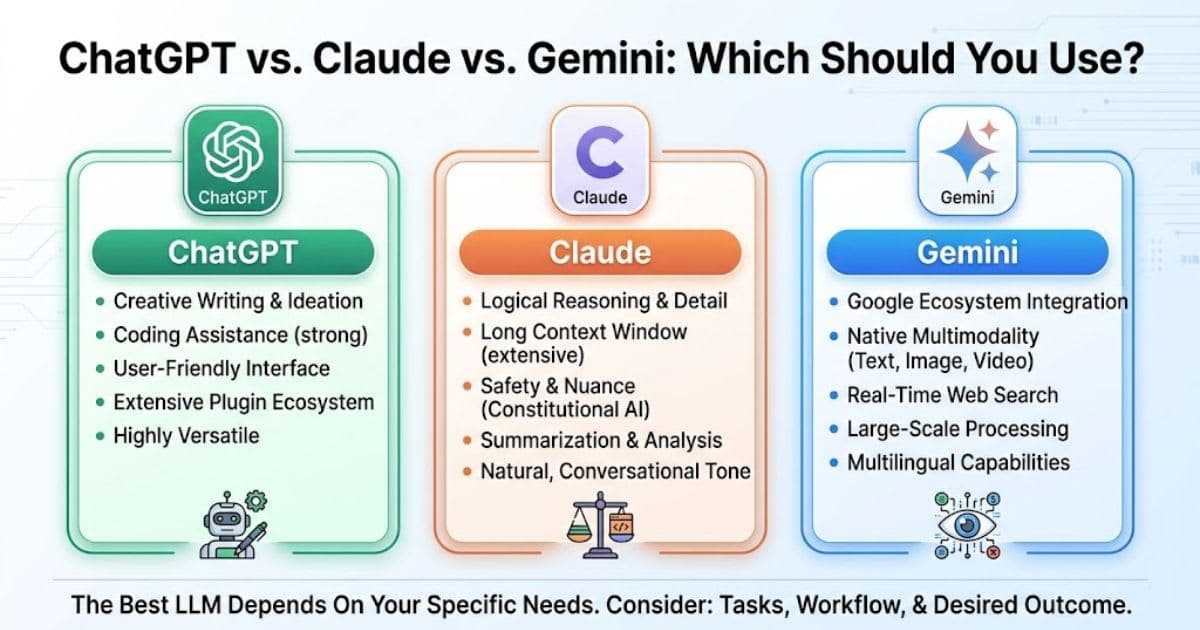
ChatGPT vs Claude vs Gemini: which should you use?
ChatGPT vs Claude vs Gemini: compare pricing, writing, coding, and video tools to pick the right AI assistant for you.
 Comparisons
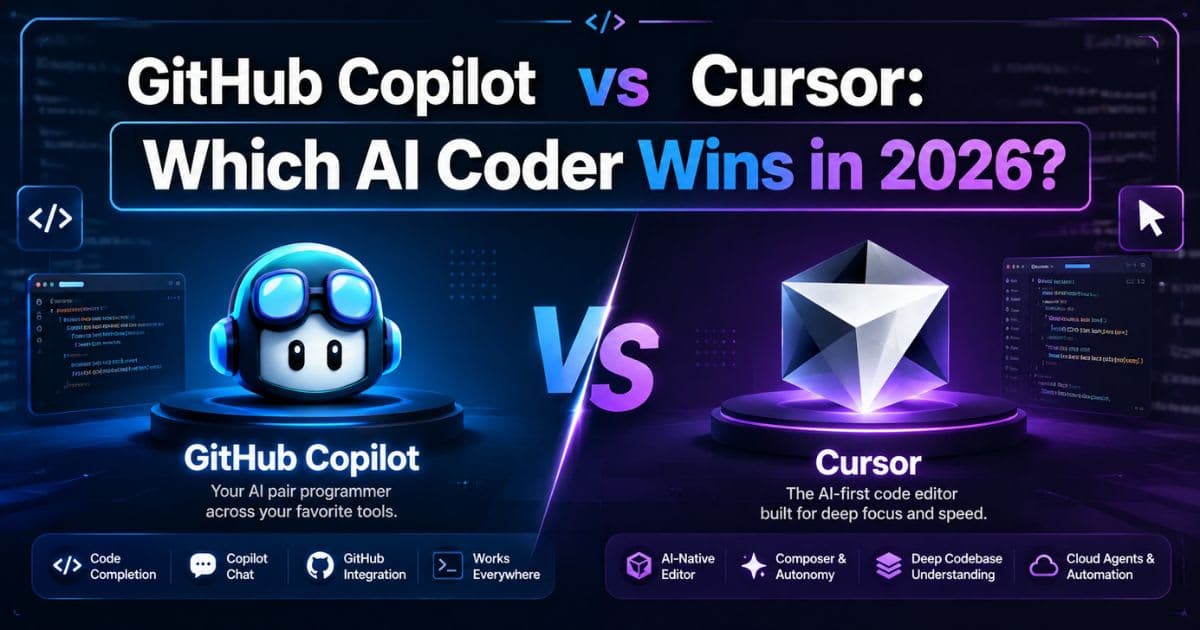
GitHub Copilot vs Cursor: Which AI Coder Wins in 2026?
GitHub Copilot vs Cursor compared for 2026 — pricing, agents, and IDE support. Find the AI coding assistant that fits your workflow.
New AI tool reviews, in your inbox.
Get new reviews and comparisons in your inbox. No spam, unsubscribe anytime.
Comments (0)
Be the first to comment.