Best AI Writing Tools for Novels in 2026: Find the Right Tools
Best AI writing tools for novels compared: Sudowrite, Novelcrafter, Claude, and ChatGPT. See costs, features, and fit.
Introduction
Writing a
novel with AI involves more than generating a chapter from a prompt. Fiction
tools can help with characters, outlines, scenes, revisions, and project
organization. The harder part is finding a tool that matches the way you
actually write. The best AI writing tools for novels differ because
novelists have different problems. One writer may need help getting past a
blank page. Another may need a place to track characters, locations, clues, and
timelines across a long manuscript. A third may already have a draft and only
want help with revision.
Some writers
prefer dedicated fiction platforms such as Sudowrite or Novelcrafter. Others use
general AI assistants such as Claude or ChatGPT and build
their own writing system around them. This guide compares those approaches
without pretending that one product works equally well for every novelist. It
also examines long manuscripts, free options, costs, genre-specific needs,
Reddit discussions, AI-assisted publishing, and the practical differences
between major tools.
The Best AI Writing Tools for Novels
in 2026
The most
useful pick among the best AI writing tools for novels depends on the job you
want AI to perform. A novelist looking for scene-generation help has different
requirements from someone building a complicated fantasy world. Likewise, a
discovery writer may prefer an open-ended AI assistant, while a plotter may
want chapters, scenes, outlines, and character records organized in one place.
Here is a
practical starting comparison.
|
Tool |
Best for |
Fiction
focus |
Story
organization |
Free
option |
|
Sudowrite |
Fiction
drafting and revision |
High |
Strong |
Free trial |
|
Novelcrafter |
Novel
planning and story organization |
High |
Very strong |
21-day
trial |
|
Claude |
Brainstorming,
development, and editing |
General |
Depends on
setup |
Free plan |
|
ChatGPT |
Brainstorming,
outlining, and revision |
General |
Depends on
setup |
Free plan |
Sudowrite
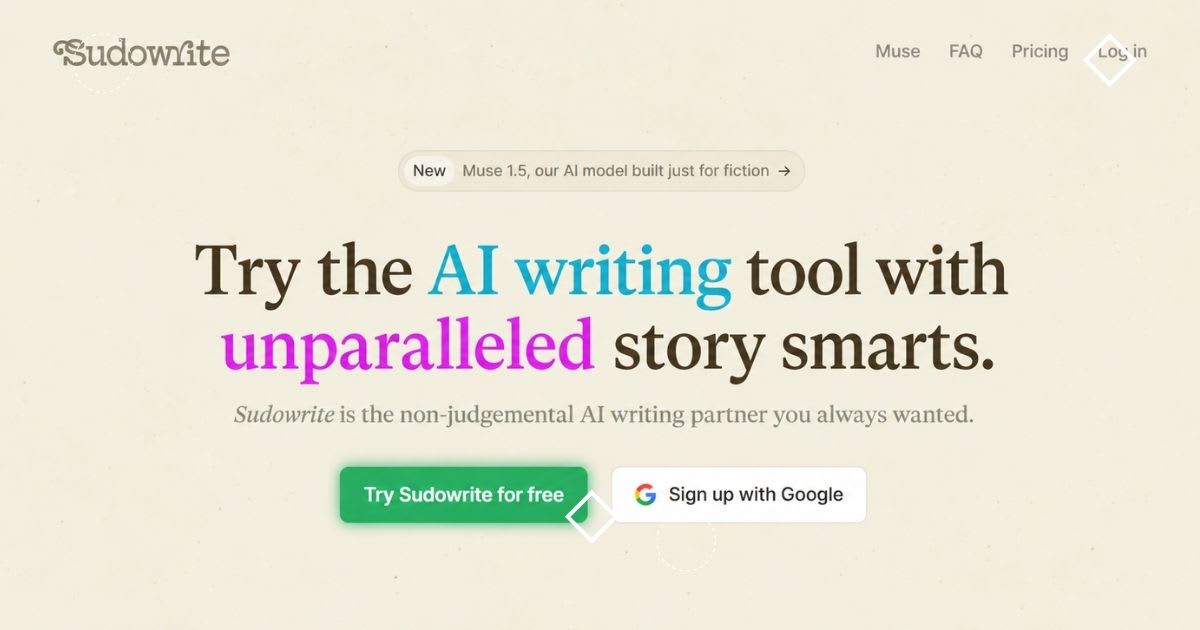
Sudowrite is designed specifically around creative writing. Its
current documentation includes features such as Write, Rewrite, Describe,
Brainstorm, First Draft, Expand, Feedback, Story Bible, and series support. ts
Story Bible can organize material such as the synopsis, characters,
worldbuilding, outline, and scenes. Sudowrite also describes its platform as
supporting planning, writing, editing, and organization. That makes Sudowrite
worth considering if your main need is fiction-focused assistance rather than a
general chatbot. Sudowrite currently lists monthly plans at $10 for Hobby &
Student, $22 for Professional, and $44 for Max. It also offers a free trial.
Pricing, included usage, and features can change, so check the current pricing
page before purchasing.
Novelcrafter
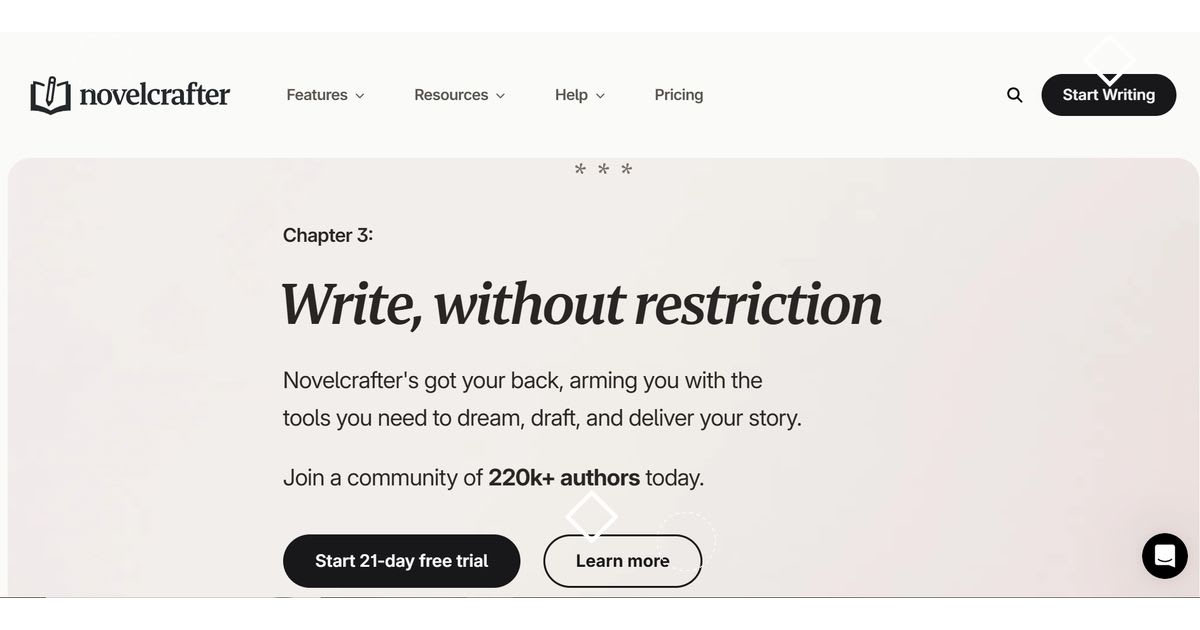
Novelcrafter takes a more project-oriented approach to novel
development.
Its Codex provides a central place for characters, locations,
objects, lore, and other story elements. The system can automatically identify
mentions of those elements in your writing and connect them to the relevant
Codex entries. Novelcrafter also provides planning tools for acts, chapters,
scenes, and scene summaries. That makes the platform particularly relevant when
organization is a major part of your writing process. Novelcrafter currently
offers a 21-day fully featured trial. Its monthly plans start at $4 for Scribe,
followed by $8 Hobbyist, $14 Artisan, and $20 Specialist. AI features begin
with the Hobbyist plan and use a bring-your-own-key approach.
Claude

Claude is a general-purpose AI assistant rather than a dedicated novel-writing application. You can use it for character development, plot discussions, scene alternatives, dialogue, revision, and editorial feedback. Claude currently has a free plan, although usage limits apply. The trade-off is organization. You need to decide how your project information will be stored and supplied to the model. That can be an advantage for writers who prefer building their own process instead of working inside specialized fiction software.
ChatGPT
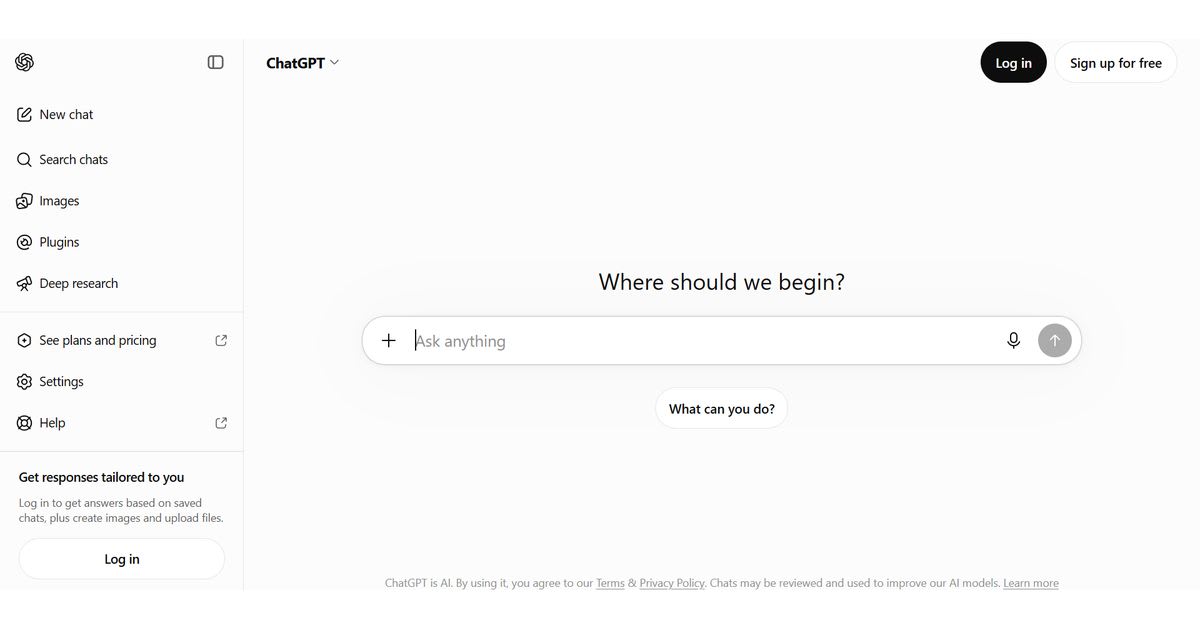
ChatGPT can also support several stages of novel development. You
can use it for premises, character development, outlines, scene ideas,
dialogue, revision, and discussions about story problems.
ChatGPT currently offers a free plan, with limits that vary by
feature and usage.
Its flexibility is useful when your needs change throughout a
project.
The limitation is organizational rather than purely generative. A
general AI assistant does not automatically give every novelist the same
purpose-built character, chapter, scene, or worldbuilding system found in
dedicated fiction software. The useful comparison is therefore not simply which
model produces the nicest paragraph. It is how much of the surrounding writing
process the application helps you manage.
Which AI Novel-Writing Tool Fits Your
Writing Style?
Your writing process should influence the choice more than a generic ranking. Two writers can use the same model and still need completely different software because they plan, draft, and revise differently.
If You Are a Plotter
Plotters often begin with a planned sequence of events, character arcs, and turning points. A structured writing environment can reduce the friction of moving from a story outline into chapters and scenes. Sudowrite’s Story Bible supports synopsis, characters, worldbuilding, outlines, and scenes. Novelcrafter organizes projects around acts, chapters, scenes, and its Codex. For a heavily plotted novel, those organizational features can be more useful than another prose-generation button.
If You Are a Discovery Writer
Discovery writers often find the
story during drafting. They may start with a character, conflict, setting, or
scene without knowing the complete plot.
For this style, a highly
structured system can sometimes feel unnecessary.
A general AI assistant can work
well because you can explore several possibilities through conversation before
deciding what belongs in the story. Sudowrite can also support exploratory
writing without requiring every story decision to be finalized in advance. The
key is to treat generated ideas as possibilities until you deliberately add
them to the manuscript.
If You Build Complex Worlds
Fantasy and science-fiction projects can contain hundreds of
invented facts.
Consider a fantasy novel with six kingdoms, several religions,
competing factions, dozens of named characters, and a magic system with strict
rules. A forgotten detail can create a contradiction much later.
This is where structured reference material becomes valuable.
Sudowrite provides Worldbuilding and Story Bible features for
organizing story information. Novelcrafter’s Codex provides entries for
characters, locations, objects, lore, and other story elements. The practical
benefit is simple: important facts have a dedicated home instead of being
buried inside old conversations.
If Your Biggest Problem Is Prose
Some writers already know the plot
but struggle with the actual scene.
For them, useful features include
rewriting, description, dialogue development, expansion, and stylistic control.
Sudowrite is particularly relevant because its fiction workflow includes
writing, rewriting, describing, expanding, brainstorming, and feedback. A
general AI assistant can also help. One effective approach is to provide a
short sample of your existing prose, explain what you want changed, and ask for
targeted revisions rather than a completely new scene.
For a finished manuscript, feedback
quality may matter more than generation volume.
If You Mainly Need an AI Editor
You may not need AI to draft the
novel.
If you already have a manuscript,
you might need help identifying pacing problems, unclear motivations,
repetitive passages, weak transitions, or scenes that lack tension. That
changes what you should prioritize. Sudowrite currently offers editing and
feedback features, including developmental editing, line editing, and
beta-reading capabilities on higher plans. A general AI assistant can also
analyze individual chapters when you provide a focused editorial task.
Sudowrite
vs Novelcrafter: Which One Fits Your Novel?
Sudowrite and
Novelcrafter solve related problems, but their interfaces and workflows are
different. Sudowrite places more emphasis on guided fiction assistance. Its
Story Bible gathers important story information and can use that material
during writing. Novelcrafter emphasizes project structure through acts,
chapters, scenes, and its Codex. The Codex provides dedicated records for story
elements such as characters, locations, and objects.
Sudowrite vs Novelcrafter for Drafting
Sudowrite may
appeal to writers who want more built-in fiction assistance while drafting.
Its Story
Bible can contain information used across different stages of story
development, while its writing tools are designed specifically for fiction
workflows. Novelcrafter may appeal more to writers who want the manuscript
organized into a detailed hierarchy while maintaining a separate story
database. The distinction is less about one tool being universally superior and
more about how much structure you want around the writing process.
Sudowrite vs Novelcrafter for
Characters and Worldbuilding
Both
platforms let you move important information outside the main prose.
Sudowrite
uses its Story Bible and Worldbuilding features. Novelcrafter uses the Codex. Novelcrafter
also supports custom Codex categories, which can be useful when your project
contains specialized groups of information. For example, a fantasy author could
maintain separate records for magical artifacts, political factions, creatures,
and locations rather than placing everything into one general note.
Sudowrite vs Novelcrafter for Long
Projects
Long manuscripts expose weaknesses that are easy to miss when writing a short scene. A 2,000-word story can be managed with a few notes. A 100,000-word novel with recurring characters, multiple subplots, and several locations requires deliberate organization.
This is where the difference between the two platforms becomes more noticeable.
Sudowrite is attractive if you want fiction assistance closely integrated with story development. Novelcrafter is attractive if you want a structured writing environment with a detailed story database and flexible AI integration. Neither platform should be presented as automatically preventing continuity errors. Their organizational features can make story information easier to manage, but the writer still needs to review the manuscript.
What Happens When Your Novel Reaches
40,000 Words?
The
40,000-word figure is not a technical threshold. It is a useful hypothetical
example for thinking about the information-management problem in a long
manuscript.
Imagine a
mystery novel has reached 40,000 words.
In Chapter 5, the detective finds a silver watch. In Chapter 12, a suspect says the watch belonged to his father. In Chapter 21, another character claims she bought the same watch last year. Chapter 29 reveals that the watch stopped at 11:42 PM. Now that object connects several scenes, characters, and pieces of evidence.
Why Long Manuscripts Create Continuity
Problems
A later
chapter can depend on something established dozens of pages earlier.
A character
may know a secret that another character has never discovered. A location may
have been destroyed. A relationship may have changed. A clue may have been
deliberately hidden from the reader. When generating or reviewing a scene, the
relevant information needs to be available to the AI.
This is why context
size and story organization are different concepts.
A model can
process a particular amount of information within a context window, but that
does not guarantee that every important story fact will receive equal attention
during every interaction.
How Character, Plot, and Timeline
Details Can Drift
Imagine a
detective injures his left hand in Chapter 8.
If Chapter 17
casually has him using that hand without explanation, you have a continuity
error. The same thing can happen with ages, relationships, locations, objects,
or dates. These mistakes are easy to overlook when you are concentrating on the
scene in front of you.
A story
database can make important facts easier to locate and update.
Why Story Organization Can Matter More
Than Raw AI Generation
Generating
another scene is rarely the hardest part of a large novel.
The harder
question is whether the scene fits everything that came before it.
A useful
writing system therefore needs to answer questions such as:
Who is
present? What do they know? What happened previously? Which objects matter?
What has changed since the last chapter?
That
information can come from a Story Bible, Codex, notes, summaries, or a system
you maintain yourself.
How to Build a Simple Novel Continuity
System
You do not
need specialized software to start.
Maintain
separate records for characters, important locations, major events, unresolved
plot threads, and significant objects. Update those records whenever the
manuscript establishes a new fact.
For example,
your character record might include:
Ethan Cole —
Detective — injured left hand in Chapter 8 — does not know Sarah owns the watch
— suspects Daniel.
That compact
record can be more useful during drafting than repeatedly searching hundreds of
pages.
The Best Free AI Writing Tools for
Novels
The word free needs careful interpretation when comparing AI writing software. A permanent free plan is different from a 21-day trial. A free model is different from free access to an application. A BYOK system can also shift model costs away from the writing application and toward an external AI provider.
Free Plan vs Free Trial vs Free AI
Model
A free plan
generally allows continued use with restrictions.
A free trial
gives you temporary access before payment becomes necessary.
A free AI model may remove model-generation charges while the application itself still has limits. With BYOK, you provide your own AI-provider credentials. The application may have its own subscription while model usage creates a separate cost. Novelcrafter currently offers a 21-day fully featured trial rather than an unlimited permanent free AI-writing plan. Sudowrite also offers a free trial. ChatGPT and Claude currently have free plans with usage limitations.
Best Free Option for Brainstorming
For basic brainstorming, a general
AI assistant can be enough.
You can use it to explore
premises, character motivations, plot complications, scene ideas, and
alternative endings without paying for a specialized fiction platform.
The trade-off is that you may need
to create your own system for organizing those ideas.
Best Free
Option for Fiction-Focused Experimentation
A dedicated
fiction platform’s trial can be useful when you want to experience its workflow
before paying. Instead of asking only, “Is this free?” ask whether the trial
gives you enough access to determine whether the application suits your actual
writing process.
That is a
much more useful buying question.
What Free Users Should Watch For
Before choosing a free option,
check generation limits, credits, context restrictions, model access, trial
length, export options, and separate API charges. A tool can be inexpensive to
start but less suitable for a long project if your usage quickly exceeds its
included allowance.
The better question is:
Can I
maintain this writing process within my budget?
How Much Does AI Novel Writing Really
Cost?
best
AI writing tools for novels the
subscription price is only one part of the calculation.
Your actual
spending can depend on how often you generate scenes, how many revisions you
request, which models you use, and whether your application includes AI usage
or connects to an external provider.
Subscription Cost vs AI Generation Cost
Sudowrite
currently uses a monthly credit system as part of its subscription plans.
Novelcrafter
uses a different model. Its AI-enabled plans use BYOK, meaning you connect an
external AI provider or another supported model source instead of receiving
bundled AI credits from Novelcrafter. This means two tools with similar
subscription prices can produce very different costs for a heavy user.
When BYOK Changes the Calculation
BYOK means bring your own key.
Instead of relying entirely on an
application’s bundled AI access, you connect it to an AI provider using your
own credentials. That can give experienced users more control over model
selection. It also means you need to monitor the separate cost of model usage. For
someone writing a novel occasionally, simplicity may be more valuable than
maximum flexibility. For a heavy user who understands API billing, BYOK can
provide more control.
What to Consider Before Writing a
50,000- or 100,000-Word Novel
Do not
calculate the budget from word count alone.
You might
generate one scene once. You might generate five versions and then revise the
chosen version three more times. You might also send long chapters to an AI for
editorial analysis.
Your workflow
determines your usage.
Before
committing to a tool, check its subscription price, included usage, model
options, external AI charges, revision features, and export capabilities.
The Best AI Writing Tool Depends on
Your Genre
The best AI
writing tools for novels also vary by genre, because different genres create
different information-management problems.
Mystery and Thriller Novels
Mysteries place unusual pressure on continuity.
You need to track clues, suspects, evidence, timelines, character knowledge, red herrings, and revelations. A character should not suddenly know information that the story has not given them unless there is a clear reason. For this genre, an organized record of clues and character knowledge can be particularly useful.
Fantasy Novels
Fantasy often requires a large world reference.
You may need records for kingdoms, magic rules, religions,
factions, creatures, history, languages, and invented terminology. A structured
story database can help prevent these details from becoming scattered across
old chapters and conversations.
Science Fiction Novels
Science fiction adds technology and speculative rules to the
equation.
A story may depend on how spacecraft work, what a technology can
accomplish, which political systems exist, or what limitations a fictional
scientific concept has.
Changing one rule can create consequences elsewhere.
A dedicated record of those rules gives you something to check
before introducing new scenes.
Historical Fiction
Historical fiction creates a different requirement: verification.
AI can help you brainstorm scenes and identify research questions,
but important historical details should be checked against reliable sources.
A confident AI response is not evidence that a historical claim is
correct.
For this genre, research discipline may matter more than the
number of writing features a tool offers.
Should AI Write Your Whole Novel?
AI can generate large amounts of
prose. That does not mean it should make every creative decision. A novel’s
identity comes from choices about characters, themes, conflict, perspective,
emotional meaning, and consequences.
Those choices are difficult to
delegate without changing the nature of the writing process.
What AI Is Good at During Novel
Development
AI is useful for exploring possibilities.
You can ask for several complications after a character discovers
a secret. You can ask it to challenge a character’s motivation. You can request
alternative dialogue approaches or ask why a scene may feel slow. It can also
help rewrite awkward passages, suggest descriptions, examine pacing, and
identify unanswered questions. The strongest use is often generating options
that the writer evaluates, rather than accepting the first output as final
prose.
What You Should Keep Under Human
Control
Keep control over the story’s core creative decisions.
That includes the central theme, major character choices,
important reveals, emotional meaning, narrative perspective, and final wording.
AI can suggest an ending. You decide whether that ending belongs in your book.
A Better Human-AI Novel-Writing
Workflow
A practical process looks like this:
Plan → Explore → Draft → Review → Revise → Check Continuity →
Final Edit
AI can participate at several stages without becoming responsible
for the entire manuscript. This also gives you opportunities to reject
AI-generated details before they become part of the story’s established canon.
Can AI Keep Track of Characters,
Clues, and Story Details?
A long novel
is essentially a network of connected information.
Characters
have relationships. Locations connect to events. Objects can become clues.
Earlier decisions create later consequences. The more connections a story has,
the more valuable organized reference information becomes.
Why Small Details Become Big Problems
Return to the
silver watch.
The detective
finds it in Chapter 5. A suspect claims it belonged to his father. Another
character says she purchased it. Later, the watch becomes evidence in the final
reveal.
If the
ownership history changes accidentally, the mystery may stop making sense.
The problem
is not that AI cannot write about a watch. The problem is maintaining the
correct facts across many separate scenes.
How Story Bibles and Codex Systems
Help
Sudowrite’s
Story Bible is designed to collect core story information and use it during the
writing process. Novelcrafter’s Codex provides dedicated records for
characters, locations, objects, and other story elements. It can also identify
mentions of those elements throughout the project.
These systems
give the writer a clearer place to maintain story facts.
They do not
make continuity automatic.
What AI Still Cannot Reliably Replace
You still
need to read the manuscript critically.
A database
can tell you that a character appears in Chapter 14. It cannot decide whether
the character’s emotional reaction in that chapter is dramatically convincing. AI
can identify a possible contradiction. You still decide whether it is actually
a contradiction or an intentional reveal.
The tool
manages information. The author remains responsible for the story.
What Do Writers on Reddit Say About AI
Novel-Writing Tools?
Reddit can
provide useful insight into how writers experience these tools in practice, but
it should not be treated as a formal ranking system. Recent discussions show
writers debating Sudowrite, Novelcrafter, general AI assistants, prompting,
character consistency, context handling, setup difficulty, and writing style. Some
users praise the workflow of one application while criticizing another. Other
writers report the opposite experience. These observations are useful because
they reveal practical friction points, but they remain individual experiences
rather than controlled comparisons.
Common Problems Writers Discuss
The recurring themes include:
•
character consistency
•
context management
•
pricing
•
model selection
•
prompting
•
setup complexity
•
maintaining a personal writing style
These discussions reveal areas
where novelists may experience friction.
They do not establish that one
application is objectively better.
Why Reddit Opinions Can Conflict
One writer may want an application
that makes decisions easier.
Another may want maximum control.
One writer may happily configure
models and prompts. Another may consider that work a distraction from writing. Their
recommendations can therefore point in opposite directions while both being reasonable.
How to Use Reddit Reviews Without
Treating Them as Rankings
Use Reddit to
discover problems worth investigating.
If multiple
writers mention character drift, examine how a tool stores and supplies
character information. If users complain about setup, determine whether that
setup gives you features you actually need. Community discussions are most
useful as signals about real-world experience, not proof that one
product is objectively the best.
Can You Legally Write and Sell a Book
Using AI?
This question
combines two different issues: commercial use and copyright
protection.
They should
not be treated as the same thing.
Can I Legally Write a Book Using AI?
Using AI as
part of the writing process does not automatically make a book unlawful.
However,
writers remain responsible for what they publish. AI output can still raise
issues involving copyright, trademarks, defamation, factual accuracy, or other
applicable laws. In the United States, the U.S.
Copyright Office has
explained that works containing AI-generated material can still contain
copyrightable human authorship when a human determines sufficient expressive
elements. Its January 2025 report also explains that merely providing prompts
to an AI system is not necessarily enough to establish copyright in the
resulting expressive material. opyright law differs between countries, so this
section should not be treated as universal legal advice.
Can I Sell a Book I Wrote With
ChatGPT?
OpenAI’s
current Terms of Use state that,
between the user and OpenAI and to the extent permitted by applicable law, the
user retains rights in their input and owns output. The same terms also warn
that output may not be unique and that users are responsible for evaluating
output and complying with applicable laws.
That
addresses OpenAI’s stated contractual position on ownership and use.
It does not
guarantee that every AI-generated passage will receive copyright protection.
AI Assistance vs AI-Generated Content
There is a
meaningful difference between using AI to help revise your own writing and
asking AI to generate an entire expressive passage with minimal human creative
contribution. The U.S. Copyright Office’s guidance focuses on the human
contribution to the final work. For writers, the practical approach is to
maintain meaningful creative control, preserve drafts and revisions, and check
the rules that apply in the country where you intend to publish.
Claude vs GPT for Writing Novels:
Which Is Better?
There is no
permanent answer to whether Claude or GPT is better
for every novelist.
The useful
comparison is task-specific.
Claude vs GPT for Brainstorming
Both can help generate ideas,
challenge assumptions, and explore alternative directions.
The quality of the result depends
heavily on the context you provide.
Instead of asking for “a good
plot,” provide the genre, protagonist, central conflict, limitations, tone, and
ideas you want to avoid.
Claude vs GPT for Plot and Character
Development
Character
work becomes more useful when the AI has to reason about motivation rather than
merely produce a biography.
For example:
“What
decision would this character refuse to make at the beginning of the novel but
consider reasonable by the midpoint?”
That question
encourages an arc instead of a list of personality traits.
Claude vs GPT for Drafting and
Dialogue
Both can
generate scenes and dialogue.
However,
isolated sample paragraphs are a poor way to choose a long-term writing model. Compare
how well the output follows your character notes, scene objective, established
voice, and narrative constraints.
Claude vs GPT for Revision and Editing
For revision,
give the AI a specific editorial responsibility.
Ask it to
identify pacing problems, repetitive dialogue, unclear motivations, weak
transitions, or unresolved questions.
You can then
decide which suggestions to implement.
That is often
more useful than asking for an unrestricted rewrite.
The Better Model Depends on the
Workflow
A model is
only one part of a novel-writing setup.
You may
prefer one model for brainstorming and another for revision. A dedicated
platform can also change how the model receives story information.
So the
Claude-versus-GPT question should be answered alongside a second question:
Where will
the model’s story context live?
What Software Does J.K. Rowling Use to
Write?
This question
is difficult to answer reliably.
J.K.
Rowling’s official website discusses
her writing process, books, research, and writing environment, but it does not
establish a current writing application that can be confidently presented as
her preferred software. That makes specific claims about Microsoft Word or
Apple software unsuitable as a firm recommendation without a reliable primary
source. More importantly, her software choice does not tell you which AI
writing tool is best for your novel. A professional novelist can successfully
work in a conventional word processor. Another writer may benefit from a Codex,
Story Bible, scene manager, or AI assistant.
Use an
author’s workflow as an interesting fact only when the underlying source is
reliable.
How to Choose the Right AI Writing
Tool for Your Novel
Before
choosing from the best AI writing tools for novels, answer these five
questions.
Question 1 — What Part of Novel
Writing Do You Need Help With?
For a blank
page, prioritize brainstorming and scene generation.
For weak
structure, prioritize outlining.
For
continuity problems, prioritize organized story references.
For an
existing manuscript, prioritize revision and feedback.
Question 2 — How Much Story Information Must
the Tool Manage?
A small
romance with five major characters may need less organization than an epic
fantasy series. Consider your cast, locations, timeline, lore, objects,
factions, and recurring subplots. The more connections your story contains, the
more useful structured reference material becomes.
Question 3 — How Much Creative Control
Do You Want?
Some writers
want guided assistance.
Others want
control over prompts, models, outlines, and generated text. Sudowrite,
Novelcrafter, Claude, and ChatGPT offer different balances between guided
features and user-defined workflows. Choose the one that fits your working
habits rather than forcing yourself into a system you dislike.
Question 4 — What Does “Free” Actually
Mean for You?
Check whether
the product has a permanent free plan, temporary trial, usage credits, or BYOK
requirements.
Also check
whether model usage creates a separate charge.
The cheapest
way to start is not always the cheapest way to finish a novel.
Question 5 — Will the Workflow Still
Work When Your Novel Gets Longer?
Think beyond
your first chapter.
How will you
handle character changes? Where will you record locations? How will you track
clues? What happens when you begin a sequel?
A workflow
that feels convenient at 3,000 words may become cumbersome at 50,000 words.
|
Your priority |
What to look for |
|
Fiction
drafting |
Fiction-focused
writing and rewriting |
|
Plot
planning |
Structured
outlines and chapter organization |
|
Worldbuilding |
Story Bible
or Codex-style storage |
|
Long
projects |
Strong
project organization |
|
Editing |
Revision
and feedback features |
|
Low budget |
Genuine
free access or an affordable trial |
|
Model
flexibility |
Multiple
model options or BYOK |
|
Series
writing |
Cross-book
character and world continuity |
Final Verdict: Choose the Workflow,
Not Just the AI
There is no
single tool that deserves the title of best AI writing tool for every
novelist.
Sudowrite makes the
most sense for writers who want fiction-focused assistance with drafting,
rewriting, brainstorming, and story development.
Novelcrafter is
particularly relevant to writers who want detailed project organization,
Codex-based story information, and flexible AI integration.
Claude can work
well as a general-purpose partner for brainstorming, development, and editorial
analysis.
ChatGPT can serve as
a flexible assistant for outlining, brainstorming, scene development, and
revision.
These are
use-case recommendations rather than the result of a controlled product test. The
choice becomes easier when you start with your actual problem. If you struggle
with scenes, prioritize drafting and rewriting features. If your novel contains
a complicated world, prioritize structured story information. If you already
have a manuscript, focus on revision. If budget matters most, examine the
difference between permanent free access, trials, credits, and external model
costs. For long novels, organization deserves as much attention as prose
generation. A beautiful paragraph is useful. A system that helps you remember
why that paragraph makes sense in Chapter 40 is more valuable.
The strongest
AI-assisted workflow keeps the writer in charge:
Use AI for
ideas, alternatives, drafting support, and analysis. Keep the story’s creative
direction, judgment, and final decisions with the author.
That is a
more useful definition of the best AI writing tools for novels than
simply declaring one product the winner.
Frequently asked questions
Can I legally write a book using AI?+
Yes, you can generally use AI to help write a book, but copyright and publishing rules vary by country. In the U.S., AI assistance does not automatically prevent copyright protection. However, the U.S. Copyright Office says copyright protection depends on sufficient human authorship, and simply providing prompts may not be enough.
What software does J.K. Rowling use to write?+
J.K. Rowling has publicly discussed her writing process, research, and books, but there is no reliable primary-source confirmation that establishes one specific writing software she currently uses. Therefore, claims that she definitely writes with a particular program should be treated cautiously.
Is Claude or GPT better at writing?+
Neither is universally better. Claude can be a strong choice for long-form creative writing, editing, brainstorming, and maintaining detailed instructions. GPT can also handle creative writing, outlining, rewriting, and research workflows effectively. The better option depends on your genre, writing style, context needs, and preferred workflow.
Can I sell a book I wrote with ChatGPT?+
You can generally use ChatGPT output commercially under OpenAI's current Terms, which state that, as between you and OpenAI and where legally permitted, you own the output. However, AI output may not be unique, and you remain responsible for checking the content and following applicable laws. Copyright protection for the finished book can also depend on the amount of human creative contribution.
Can you tell if a book is written by AI?+
Not reliably. AI-detection tools can produce false positives and false negatives, so they should not be treated as definitive proof. Even ChatGPT itself says it cannot reliably determine whether a piece of writing was generated by AI.
Related articles
 AI Writing Tools
The 9 Best AI Writing Tools in 2026, Ranked & Compared
Nine AI writing tools compared on real 2026 pricing, model line-ups and who each one actually suits — from $0 free tiers to $299/month SEO platforms.
 AI Writing Tools
Best AI Humanizer Tools in 2026: Make Human Writing Sound
Discover the best AI humanizer tools in 2026 to turn robotic AI text into natural, engaging, and human-like writing.
 AI Writing Tools
Best AI Copywriting Tools to Write Copy That Sells Fast 2026
Tired of blank pages? These Best AI Copywriting tools turn blank screens into ready copy in minutes. Compare the best picks now.
New AI tool reviews, in your inbox.
Get new reviews and comparisons in your inbox. No spam, unsubscribe anytime.
Comments (0)
Be the first to comment.